
Black Queer Friendships Is Where the Softness Lives
A love letter on the beauty and necessity of Black queer friendships.

There is a particular kind of beauty in Black queer friendships: the way they make room for softness without apology. The way they let laughter sit beside grief. The way they remind us—often quietly, sometimes loudly—that we do not have to perform hardness to be whole.
Many of us grew up learning that love between men had to be guarded, rationed, disguised. As Black men, we are conditioned and socialized to avoid showing one another affection in any way that might be labeled “gay,” as if tenderness itself is something to be ashamed of. That policing doesn’t only come from outside our communities; it can be taught inside our families, reinforced in schools, echoed in music and media, and passed along through the everyday rules of masculinity.
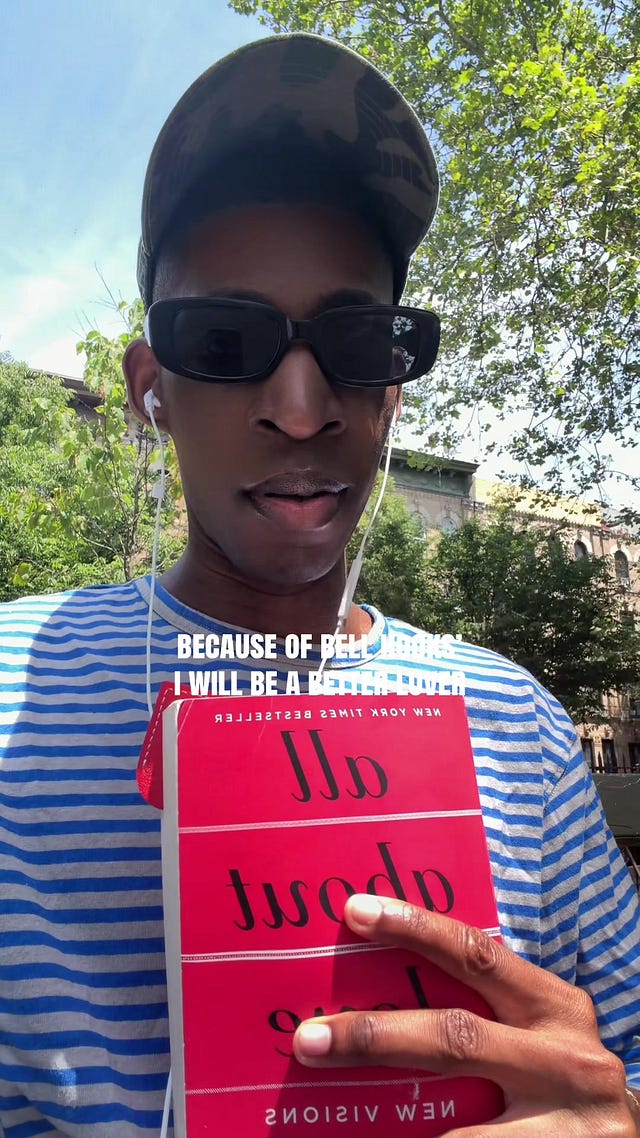
bell hooks speaks directly to this in The Will to Change. She argues that patriarchal conditioning deprives Black men of emotional expression, often replacing deep, vulnerable friendship with toxic competition and isolation. In her view, healing and community building require rejecting these oppressive norms—choosing instead to foster authentic, loving connections. It’s a radical idea only because we have been taught that emotional honesty is dangerous, and that intimacy between men must be defended against, not nurtured.
 Tiktok failed to load.
Enable 3rd party cookies or use another browser
But those of us who have lived and loved as Black queer men know something else to be true. Our relationships—our friendships, our chosen family, our brotherhood—do not flourish without love. Not the abstract kind. The practiced kind. The kind you can feel in how someone checks on you, how they hold you accountable, how they show up when it matters, how they tell you the truth with care.
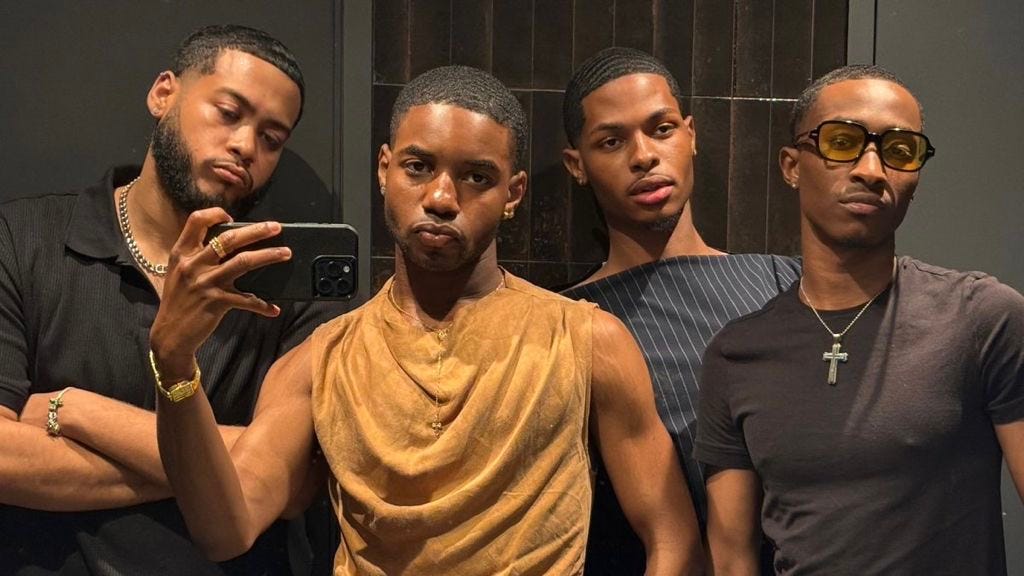
For most of my queer life, I have been blessed to be surrounded by same-sex loving men who strengthened my will to love and to show love. Being in community with them has expanded what I believed was possible. They have taught me that tenderness is not weakness—it is skill. It is discipline. It is devotion.
One of my dearest friends—someone I’ve known since childhood—has been one of my driving forces in this learning. We have always loved one another, even when we didn’t have the language or the comfort to show it freely. For years, it felt unnatural for us to be “touchy-feely” with each other. None of our close friends were particularly touchy either, and we carried this unspoken rule of keeping the affection subtle.
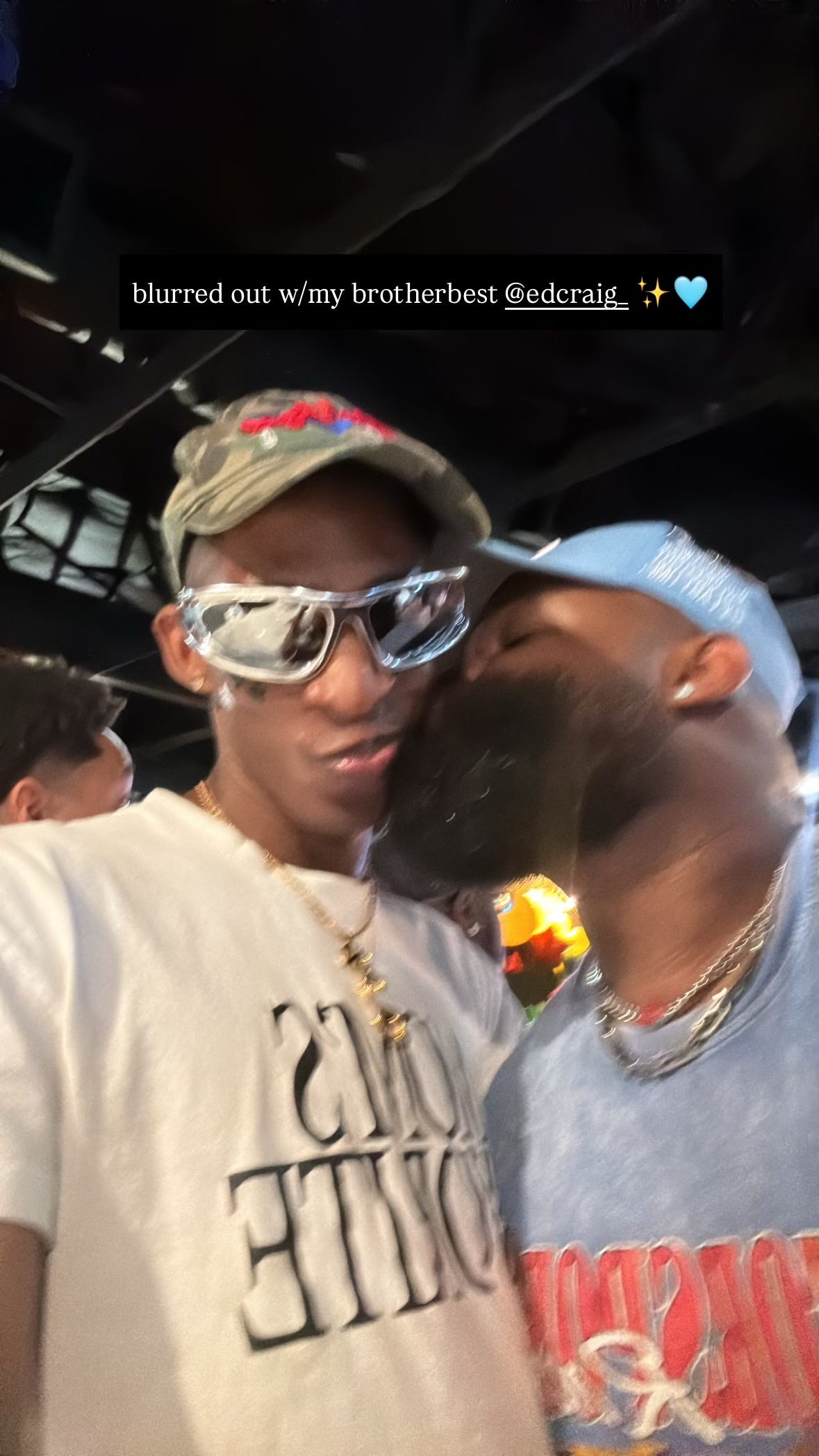
But over the last few years, as we started spending more time together, something shifted. We changed. We softened. We grew less interested in what love might look like to outsiders and more committed to what it feels like for us. Now we embrace more intimately and lovingly, and it fills my heart with joy that lasts until the next time I see him. That kind of joy is not small—it’s medicine. It is proof that we can unlearn what we were taught.
The queer relationships I have built have stood the test of time, and in the last few years I’ve been deeply committed to carving out time and space for them. I travel to see my people—wherever they are in these United States—because closeness is not an accident. Community does not maintain itself on nostalgia. Friendship, like any love, needs intention.
Summer is often the only time I can truly pause and be present, and I try to show up in the ways my friends need me. Sometimes that means planning trips. Sometimes it means long dinners and late-night talks. Sometimes it means sitting together in silence and letting that be enough.
As we get older, these relationships matter to me above almost everything else. They hold my history. They witness my becoming. They sharpen my integrity and soften my edges.
Because I have such a loving community of Black queer men, their love has made me a better friend, a better brother, a better lover, and a better Black man.