
Hey! Don't Call Me 'Diva'
A gentle reminder that gender expression is not public property and nicknames are not consent

Somewhere along the way people started treating identity like a costume rack. Pick something cute, try it on somebody else, and walk away feeling like you did the work.
One of the most common little costumes I get handed is the word diva.
To be clear, my friend Scot Louie coined it lovingly for the gworls, the chosen family, the people who already know how to hold each other with care.
In that space, the word can be playful, even protective, a wink that says I see you and I celebrate you. But what happens when strangers or casual acquaintances grab that same word and toss it on any Black queer man they “clock.”
It stops being a compliment and starts being a stereotype.
When you call me your diva without my permission, you are not just being funny. You are telling me you have already decided who I am and what role I should play for you. You are putting me into an archetype: loud, sassy, dramatic, disposable entertainment.
You are making my gender expression into a public service.
And yes it can feel emasculating not because femininity is lesser, but because you are using femininity as a way to deny me fullness. You are saying manhood has one shape and I don’t get to have it. You are saying your comfort matters more than my self-definition. You are saying you can name me better than I can.
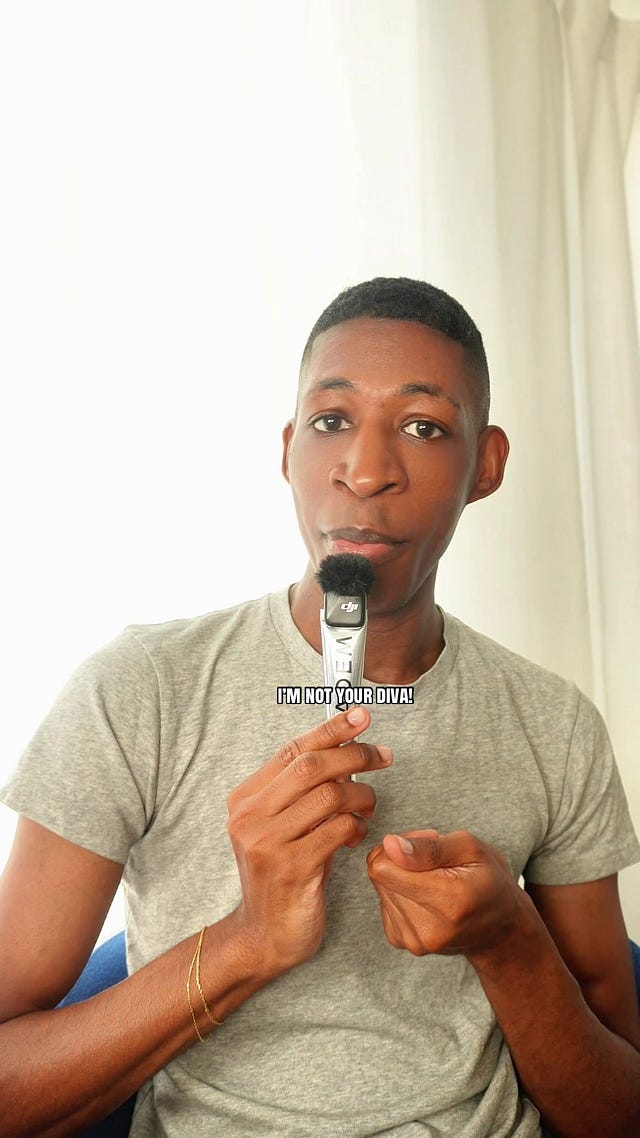
 Tiktok failed to load.
Enable 3rd party cookies or use another browser
The part that people miss is that naming is power. Who gets to name you decides how you get treated. Diva is not a neutral word.
In pop culture it often comes with permission to disrespect someone while claiming love. It comes with the idea that if I set a boundary I am being difficult. It comes with the expectation that I should perform and smile while you misunderstand me.
That is why I am asking for something very simple
If I dont give you permission please do not call me anything other than my name.
This is not new. Black women have been clear about how certain words land especially when they come from people who don’t share the experience or who only want the spice without the history. Plenty of folks have had to learn that you do not casually call Black women bitch and then hide behind I meant it as a compliment because intention does not cancel impact.
Jackie Aina also made a clear request about not being called auntie. Not because there is something wrong with aunties but because people were using it to flatten her identity into a role they could consume and move on from. She set the boundary and the respectful thing to do was listen.
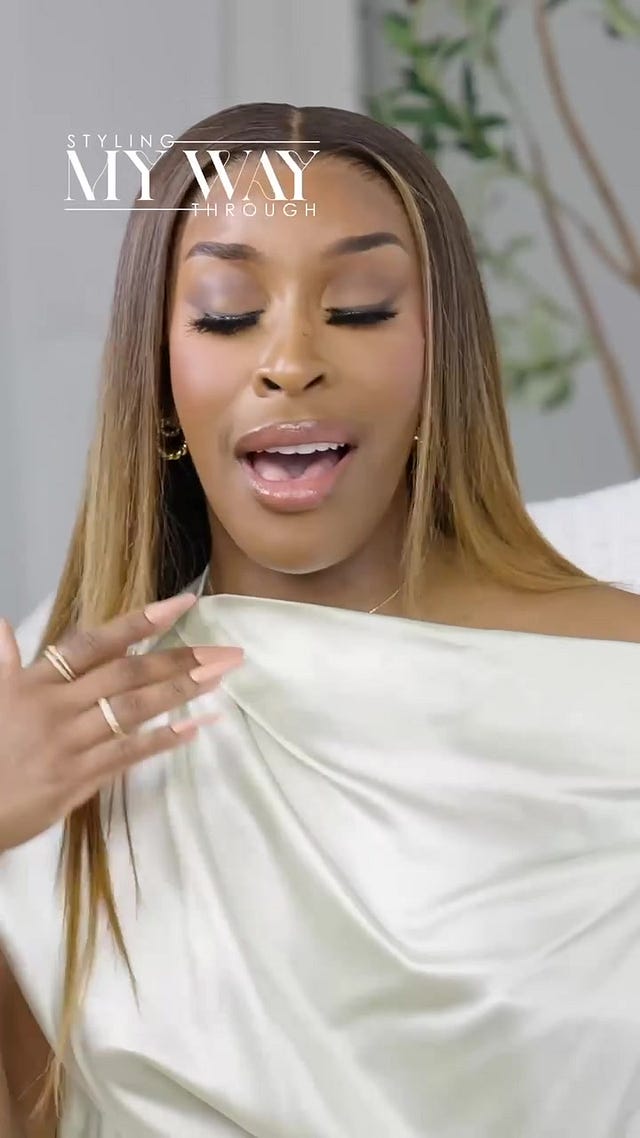 Tiktok failed to load.
Enable 3rd party cookies or use another browser
I require the same.
Because language is not just language when it is aimed at Black queer people. We live in a world that already tries to define us before we open our mouths.
A world that polices masculinity and punishes anything that does not fit the script. A world that will celebrate us on a playlist and disrespect us in person. So when you insist on calling me diva after I have not invited you to you are participating in that larger pattern whether you mean to or not.
And let me say this too because it matters:
My femme presentation is not a free pass.
My queerness is not community theater.
My body is not a meme.
My personality is not your accessory.
If you love Black queer men love us enough to do the hard thing which is to be specific. Ask how someone wants to be addressed. Use the name they give you. Use the pronouns they share with you. Let people expand beyond the boxes you learned online.
If you are my friend and we have that kind of relationship cool language can be intimate and fun. If we are not close then keep it respectful until invited deeper. Thats not being sensitive thats being human.
So to the gworls and everyone watching,
Be careful who you place this wording on. Not everybody experiences it as love. Not everybody wants it. And if you want to honor somebody do not start by renaming them. Start by listening.
Call me what I told you to call me.
Call me my name.
Thank you for educating us.